
Hardwood Flooring Installation in San Jose, CA
San Jose is the 12th largest city in the United States, with over one million residents and approximately 182,000 owner-occupied homes. Nearly 50% of all homes that sell in San Jose were built in the 1960s and 1970s — making hardwood floor installation and upgrades one of the most in-demand home improvement projects in Silicon Valley. Bay Area installation rates start at $8 per square foot for pre-finished engineered floating floors and range up to $30+ for premium solid species. Our CSLB C-15 licensed crews specialize in San Jose's unique challenges: concrete slab foundations, Eichler radiant-heat homes, and the dry Mediterranean climate that demands proper acclimation and moisture management.
Call Now: 888-959-0968San Jose's housing stock tells a specific story. The post-war suburban boom filled neighborhoods like Cambrian Park, Blossom Valley, and Evergreen with tract homes built on concrete slabs — the same slab foundations that now require specialized hardwood installation techniques. Older neighborhoods like Willow Glen, Rose Garden, and Naglee Park feature Craftsman bungalows and Victorians with raised foundations and, in many cases, original fir or oak floors hiding under decades of carpet. And then there are the Eichlers — roughly 500 mid-century modern homes across tracts like Fairglen and Mossbrook — where radiant-heated concrete slabs create installation conditions unlike anything else on the market.
The Bay Area's Mediterranean climate adds another dimension. Unlike humid East Coast environments where moisture is the primary threat, San Jose's dry summers (humidity can drop to 25-35% indoors) cause wood to shrink rather than swell. This means species selection, acclimation protocols, and finish choices all need to account for conditions that are the opposite of what most national flooring guides assume.
Hardwood Flooring Services
From engineered hardwood over Eichler radiant-heat slabs to solid oak nail-down in Willow Glen bungalows, we handle every type of hardwood installation across San Jose and Santa Clara County.
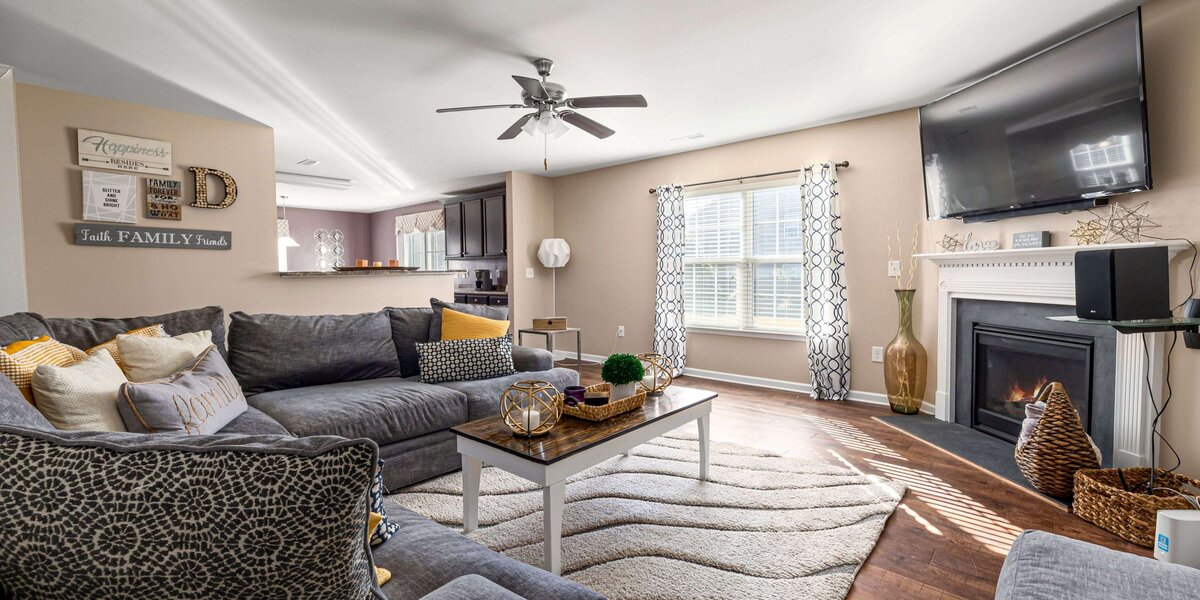
Solid Hardwood Installation
Nail-down and staple-down installation of solid hardwood over plywood subfloors in raised-foundation homes. Red oak, white oak, maple, hickory, and walnut in standard and wide plank widths. The traditional method for San Jose's pre-1960 homes with crawl space foundations — Willow Glen, Rose Garden, Naglee Park, and Japantown.
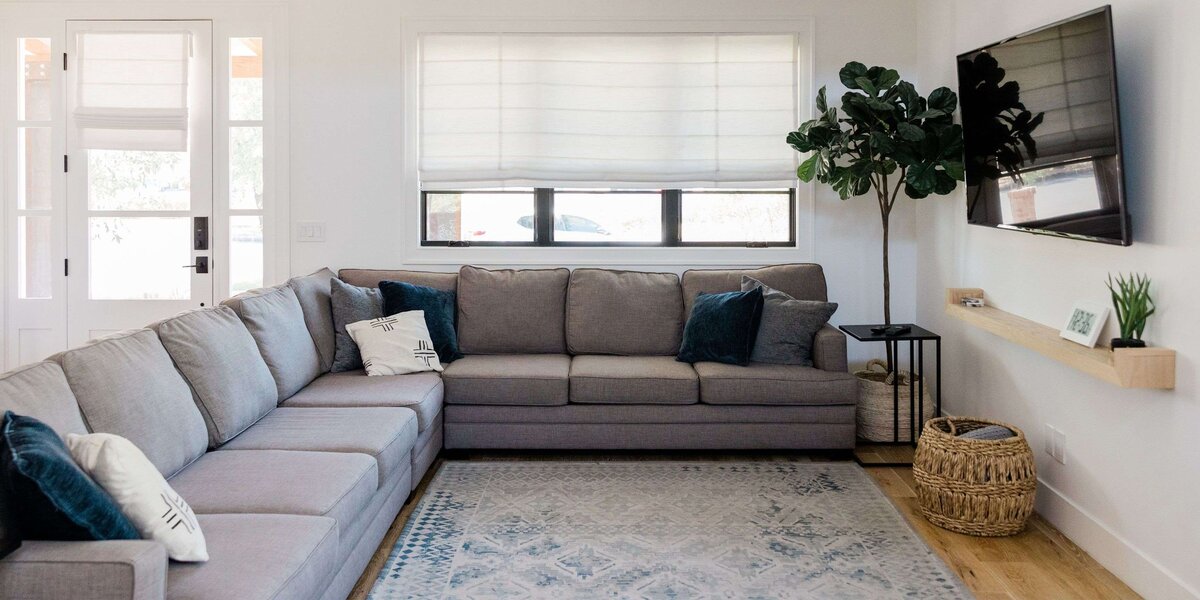
Engineered Hardwood Installation
Glue-down and floating installation of engineered hardwood over concrete slabs, radiant heat systems, and existing subfloors. Multi-layer construction handles San Jose's dry summer humidity swings better than solid wood. The recommended choice for 60-70% of San Jose homes that sit on concrete slab foundations.
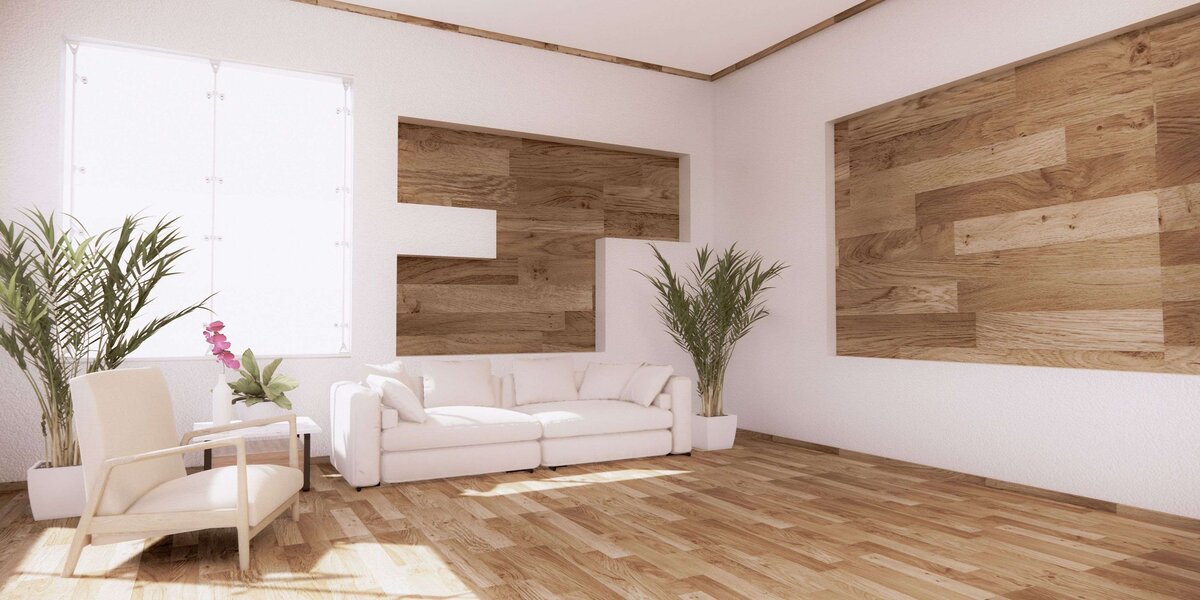
Eichler Home Flooring
Specialized installation for San Jose's approximately 500 Eichler homes across Fairglen, Mossbrook, Rose Glen, and other tracts. Radiant heat pipe assessment, slab moisture testing with heating system running, engineered hardwood rated for radiant heat, and floating or flexible glue-down methods that protect embedded copper pipes.
Hardwood Floor Refinishing
Sanding, staining, and finishing of existing hardwood floors. Many older San Jose homes have original fir or oak floors hidden under carpet — common in pre-1960 Willow Glen bungalows, Rose Garden Craftsmans, and Naglee Park Victorians. Water-based polyurethane (low VOC, CARB compliant) and hardwax oil finishes.
Concrete Slab Installation
Moisture testing, vapor barrier installation, and hardwood flooring over concrete slab foundations — the dominant subfloor type in San Jose's tract homes from the 1960s-1980s. Calcium chloride and relative humidity probe testing per ASTM standards. Self-leveling compound for uneven slabs.
Custom Patterns & Borders
Herringbone, chevron, parquet, and custom border designs for distinctive installations. Popular in Almaden Valley estates, Saratoga luxury homes, and Los Gatos renovations where standard plank layouts don't match the home's architectural character.
Service Specifications
- Installation Methods
- Nail-down (pneumatic flooring nailer over plywood subfloors in raised-foundation homes), glue-down (moisture-cure urethane adhesive over concrete slabs — the most common San Jose application), floating (click-lock engineered over any subfloor with underlayment), and staple-down (engineered over plywood). Method determined by subfloor type and wood product.
- Wood Species Available
- White oak ($10-$22/sq ft installed) — the Bay Area's most popular choice for its closed-grain stability in dry climates. Red oak ($8-$16/sq ft), maple ($8-$16/sq ft), hickory ($12-$22/sq ft), walnut ($14-$30+/sq ft), and engineered hardwood ($8-$22/sq ft). White oak and engineered products recommended for concrete slab and Eichler installations.
- Finish Options
- Water-based polyurethane (low VOC, CARB/SCAQMD compliant, non-yellowing, 2-hour dry time — the Bay Area standard). Oil-based polyurethane (warm amber tone, 24-48 hour dry time). Hardwax oil (Rubio Monocoat, Osmo — natural matte look, easy spot repairs, popular in Eichler and mid-century modern renovations). UV-resistant formulations recommended for California's strong sun exposure.
- Concrete Slab Protocol
- Moisture testing per ASTM F1869 (calcium chloride) or ASTM F2170 (in-situ relative humidity probe). 6-mil polyethylene vapor barrier minimum (10-20 mil recommended). Self-leveling compound for slabs out of tolerance (must be within 3/16" per 10-foot span). Applies to approximately 60-70% of San Jose single-family homes.
- Eichler Radiant Heat Protocol
- Radiant heating system assessment and pressure testing before installation. Slab moisture testing with system running at normal operating temperature. Engineered hardwood only — must be manufacturer-rated for radiant heat. Maximum floor surface temperature 80-85°F. Floating or flexible glue-down methods only — no nail-down (risk of hitting embedded copper pipes). Narrow to medium plank widths (3-5") for optimal stability.
- Acclimation Requirements
- Solid hardwood: 5-7 days minimum on-site acclimation. Engineered hardwood: 24-48 hours minimum. HVAC running at normal conditions at least 5 days before wood delivery. In dry summer months (May-October), humidifier required in acclimation room to maintain 35-45% relative humidity. Moisture content verified with pin-type and pinless meters before installation begins.
- Crew Configuration & Licensing
- 2-person crews for standard installations (750-1,000 sq ft per day). 3-4 person crews for large and custom projects. All crews hold valid California CSLB C-15 Flooring and Floor Covering Contractor licenses. General liability insurance and workers' compensation coverage. Certificate of Insurance available for HOA/condo boards.
Hardwood Flooring Pricing
Bay Area pricing runs 20-40% above national averages due to higher labor rates, cost of living, and California code requirements. All estimates include materials and labor.
| Project Size | Square Footage | Estimated Cost |
|---|---|---|
| Single Bedroom | ~150 sq ft | $1,600 - $2,900 |
| Kitchen | ~180 sq ft | $2,000 - $3,600 |
| Living Room | ~300 sq ft | $3,300 - $6,000 |
| Master Suite | ~225 sq ft | $2,500 - $4,500 |
| Whole House (Standard) | ~1,500 sq ft | $16,500 - $30,000 |
| Whole House (Large) | ~2,500 sq ft | $27,500 - $50,000+ |
Cost Per Square Foot by Installation Method
| Method | Cost/Sq Ft | Best For |
|---|---|---|
| Pre-Finished Floating | $8 - $14 | Engineered hardwood over any subfloor |
| Nail-Down (Solid) | $12 - $18 | Plywood subfloors in raised-foundation homes |
| Glue-Down over Slab | $12 - $20 | Concrete slab foundations (most SJ homes) |
| Premium/Exotic Species | $18 - $30+ | Walnut, Brazilian cherry, wide plank |
Additional Cost Factors
- Old flooring removal and disposal: $1-$3 per square foot — includes carpet, vinyl, tile, or damaged hardwood
- Subfloor prep and leveling: $2-$5 per square foot — common in 1960s-70s tract homes with uneven slabs
- Concrete slab moisture barrier: $0.50-$2 per square foot — required for all slab installations
- Eichler slab leveling: $3-$6 per square foot — self-leveling compound for 60+ year-old slabs
- Stair installation: $75-$150 per step — including risers, treads, and nosing
- On-site staining: $1-$3 per square foot — custom stain colors on unfinished hardwood
- Custom patterns (herringbone, chevron): 50-100% premium over straight plank layout
Our Installation Process
-
Step 1: Free On-Site Estimate
We visit your San Jose home to measure the installation area, identify the subfloor type (concrete slab vs. raised foundation), test moisture levels, and discuss species and finish preferences. For Eichler homes, we assess the radiant heat system condition. You receive a written estimate with itemized costs, timeline, and material specifications — typically within 48 hours of your call.
-
Step 2: Material Selection & Acclimation
We help you choose the right product for your home's conditions — engineered white oak for concrete slabs and Eichlers, solid oak for raised-foundation bungalows, or premium walnut for luxury installations. Materials are delivered 2-7 days before installation for on-site acclimation. During San Jose's dry summer months, we set up a humidifier in the acclimation room to maintain 35-45% relative humidity and prevent the wood from over-drying before installation.
-
Step 3: Subfloor Preparation
Old flooring is removed and the subfloor is inspected. Concrete slabs receive moisture testing per ASTM standards and a vapor barrier. Slabs out of tolerance get self-leveling compound. Raised-foundation homes have plywood subfloors checked for moisture, flatness, and structural integrity. Eichler radiant systems are pressure-tested and brought to operating temperature before moisture readings are taken.
-
Step 4: Installation
Hardwood is installed using the method matched to your subfloor — glue-down for concrete slabs, nail-down for plywood, floating for engineered products and Eichler radiant heat applications. Expansion gaps are maintained along all walls. Transition strips are installed at doorways and material changes. For Eichlers, door tracks and thresholds are adjusted for the new floor height. A 2-person crew covers approximately 750-1,000 square feet per day.
-
Step 5: Finishing & Final Walkthrough
Unfinished hardwood receives sanding (3 passes), optional staining, and 2-3 coats of finish with drying time between coats. We use low-VOC, CARB-compliant water-based polyurethane as the Bay Area standard — fast-drying, non-yellowing, and California air quality compliant. Pre-finished hardwood skips this step. Final walkthrough confirms everything meets expectations, and we provide maintenance guidance tailored to San Jose's dry climate.
What to Expect
A standard San Jose hardwood floor installation takes 1-5 days depending on project size, plus 2-7 days of acclimation time before work begins. Expect noise from pneumatic nailers and sanders during work hours (8:00 AM - 6:00 PM). Rooms being worked on are inaccessible during installation. For unfinished hardwood, sanding dust is managed with HEPA-filtered equipment, but some airborne particles are unavoidable — low-VOC water-based finishes minimize fumes compared to oil-based alternatives. After finishing, allow 24-48 hours before walking on the floor and 72 hours before moving furniture back. We recommend setting your HVAC to maintain 35-55% humidity from the day materials are delivered through the life of the floor.
Project Example: Eichler Renovation in Willow Glen
- Home Type
- 1958 Eichler in the Fairglen tract, 1,450 sq ft, concrete slab foundation with original hydronic radiant heating system, post-and-beam construction with floor-to-ceiling glass walls
- Scope
- Remove existing vinyl tile throughout the entire home (living room, bedrooms, hallway, kitchen). Install engineered white oak hardwood rated for radiant heat. Matte hardwax oil finish to complement the mid-century modern aesthetic.
- Challenges
- Radiant heat pipes embedded in the 65-year-old slab required pressure testing before any work began. Slab was out of level by up to 1/4" in the kitchen area, requiring self-leveling compound. Sliding glass door thresholds needed adjustment for the new floor height. August installation meant indoor humidity was only 28% — humidifiers ran for the full acclimation period.
- Solution
- Radiant system passed pressure testing. Applied self-leveling compound to kitchen area ($4/sq ft for 180 sq ft section). Installed 5" wide-plank engineered white oak using flexible moisture-barrier adhesive rated for radiant heat — no nailing. Rubio Monocoat hardwax oil finish in "Pure" (natural, no color change) for authentic mid-century look. Adjusted 3 sliding door tracks for new floor height.
- Timeline
- 3 days acclimation (with humidifier running), 1 day slab prep and leveling, 2 days vinyl removal, 2 days hardwood installation, 1 day hardwax oil finish application and drying. Total: 9 days from delivery to completion.
- Result
- 1,450 sq ft of engineered white oak with natural matte finish throughout the home. Radiant heat system operates normally through the new flooring. The natural white oak and matte finish complement the Eichler's clean lines, exposed beams, and floor-to-ceiling glass.
Service Area
We install hardwood floors across all of San Jose and the greater Santa Clara County area. Our crews are familiar with the housing stock, subfloor types, and climate conditions specific to each neighborhood — from Eichler slabs in Willow Glen to tract home foundations in Blossom Valley to Victorian raised floors in Naglee Park.
San Jose Neighborhoods
- Willow Glen — Tree-lined streets, 1920s-1950s bungalows and Craftsman homes, the Fairglen Eichler tract (200+ homes), walkable Lincoln Avenue
- Rose Garden — Historic early 20th-century homes including Craftsman, Colonial Revival, and Spanish Revival; named after the Municipal Rose Garden
- Naglee Park — Conservation Area with Victorian, Craftsman, and Colonial homes dating to 1902 subdivision; design review for exterior changes
- Almaden Valley — Spacious 1970s-1990s homes with foothill views, top-rated schools, large lots adjacent to Almaden Quicksilver County Park
- Evergreen — Rolling southeast hills with 1970s-2000s homes, excellent schools, mix of townhomes and single-family estates
- Cambrian Park — Family-friendly southwest neighborhood with well-established 1950s-1970s ranch homes near the Campbell border
- Berryessa — Northeast San Jose near the new BART station; mix of older ranch homes and newer construction; growing tech worker community
- Japantown — One of only three remaining US Japantowns; historic homes from early 1900s; cultural and historic preservation considerations
- West San Jose — Near Cupertino border and Santana Row; top-rated schools (Cupertino Union SD); 1960s-1980s homes popular with tech families
- Blossom Valley — South San Jose with 65,000+ residents; 1960s-1980s tract homes on concrete slabs; high demand for hardwood upgrades
- Silver Creek / Evergreen Foothills — Upscale southeast neighborhood near Silver Creek Valley Country Club; newer, larger homes
- Santa Teresa — South San Jose with spacious 1970s-1990s homes, parks, and hiking trails near Santa Teresa County Park
- Downtown / SoFA District — Urban core with condos, lofts, and townhomes; primarily concrete slab subfloors and HOA-governed installations
- North San Jose — Tech corridor near Milpitas; mix of newer apartments, condos, and some older ranch homes near major employers
Surrounding Cities
- Sunnyvale — Second-largest city in Santa Clara County; major tech employers; ranch homes and Eichler developments (Fairbrae, Fair Oaks tracts)
- Santa Clara — Directly borders San Jose; Santa Clara University area; 1950s-1970s homes and newer development near Levi's Stadium
- Cupertino — Apple Park headquarters; affluent, top-rated schools; well-maintained 1960s-1990s homes; premium hardwood market
- Campbell — Charming downtown adjacent to San Jose; mix of older bungalows and mid-century homes; Pruneyard area
- Los Gatos — Upscale foothill town; Victorian, Craftsman, and luxury estates; very high-end hardwood market
- Milpitas — "Crossroads of Silicon Valley" north of San Jose; BART accessible; mix of ranch homes and new construction
- Saratoga — Affluent foothill city; large estate homes 2,500-5,000+ sq ft; premium hardwood installations
- Mountain View — Google headquarters; Eichler homes, ranch homes, and new tech campus housing; active renovation market
- Morgan Hill — South of San Jose; more affordable, semi-rural; newer subdivisions from 1990s-2020s
- Los Altos / Palo Alto — Affluent residential cities; Stanford University area; many Eichler homes being renovated; premium pricing
San Jose Zip Codes
95110, 95111, 95112, 95113, 95116, 95117, 95118, 95119, 95120, 95121, 95122, 95123, 95124, 95125, 95126, 95127, 95128, 95129, 95130, 95131, 95132, 95133, 95134, 95135, 95136, 95138, 95139, 95148
San Jose Flooring Considerations
Mediterranean Climate & Dry Summers
San Jose receives only 15-20 inches of rain per year, virtually all between November and March. Summer rainfall averages just 0.20 inches total. Indoor relative humidity can drop to 25-35% during dry months — the opposite problem from humid coastal and eastern cities. This causes hardwood to release moisture, leading to board shrinkage, gaps between planks, and potential cracking. The solution is counterintuitive for California homeowners: run a humidifier during summer and fall to maintain indoor humidity at 35-55%. Strong California sun also causes UV fading and discoloring, making UV-resistant finishes essential. Engineered hardwood handles these seasonal fluctuations significantly better than solid wood.
Concrete Slab Foundations
An estimated 60-70% of San Jose's single-family homes sit on concrete slab foundations — a far higher percentage than many other major metro areas. Every slab installation requires moisture testing per ASTM standards before any hardwood goes down. A vapor barrier (6-mil polyethylene minimum, 10-20 mil recommended) is required between the slab and the flooring. Older slabs from the 1960s-1970s may be out of level, requiring self-leveling compound at $2-$5 per square foot. Glue-down with moisture-barrier adhesive or floating installation over underlayment are the standard methods. Nail-down over plywood sleepers is an option but adds floor height and cost.
Eichler Homes & Radiant Heat
San Jose has approximately 500 Eichler homes built between 1951 and 1962 across tracts like Fairglen (200+ homes in Willow Glen), Mossbrook (57 homes near Campbell), and Rose Glen (75 homes near San Jose City College). These mid-century modern homes feature concrete slab foundations with hydronic radiant heating — copper pipes embedded in the slab that circulate hot water. Hardwood installation over Eichler slabs requires engineered products rated for radiant heat, flexible adhesive or floating methods (never nail-down), and careful moisture testing with the heating system running at operating temperature. Slab leveling, door clearance adjustments, and narrow-to-medium plank widths (3-5") are standard considerations. The mid-century modern aesthetic pairs naturally with white oak in natural or light stain and hardwax oil finishes like Rubio Monocoat.
CSLB C-15 Licensing & California Regulations
California requires a CSLB C-15 Flooring and Floor Covering Contractor license for any flooring project where labor and materials exceed $500. This license requires 4 years of journeyman-level experience, a two-part state exam (law/business and trade), workers' compensation insurance, and a $25,000 contractor bond. Unlicensed contracting is a misdemeanor with fines up to $15,000. Always verify your installer's license at cslb.ca.gov. California also enforces strict VOC regulations through CARB (California Air Resources Board), making low-VOC water-based polyurethane finishes the standard choice in the Bay Area.
Frequently Asked Questions
How much does hardwood floor installation cost in San Jose?
Hardwood floor installation in San Jose costs $8-$22 per square foot for materials and labor, depending on wood species and installation method. Pre-finished engineered floating floors start at $8/sq ft, solid oak nail-down runs $12-$18/sq ft, and premium species like walnut reach $18-$30+/sq ft. Bay Area pricing runs 20-40% above national averages due to higher labor rates. A typical 1,500 sq ft whole-house project costs $16,500-$30,000.
Can hardwood floors be installed over concrete slab in San Jose homes?
Yes — and this is one of the most common installation scenarios in San Jose, where an estimated 60-70% of single-family homes have concrete slab foundations. Concrete slab installation requires moisture testing (calcium chloride or in-situ RH probe), a moisture barrier (6-mil polyethylene minimum), and either glue-down or floating installation. Engineered hardwood is strongly recommended over solid for concrete slab applications due to its dimensional stability.
Can you install hardwood floors in an Eichler home?
Yes — Eichler homes are one of our specialties. San Jose has approximately 500 Eichler homes across tracts like Fairglen in Willow Glen and Mossbrook near Campbell. The key consideration is the radiant-heated concrete slab foundation. We use engineered hardwood rated for radiant heat, test the slab for moisture with the heating system running, and install using floating or flexible glue-down methods. Solid hardwood and nail-down installation are not recommended for Eichler slabs — nailing risks hitting embedded copper heating pipes.
How does San Jose's dry climate affect hardwood floors?
San Jose's Mediterranean climate presents the opposite challenge from humid regions: dry summers are the primary concern, not moisture. Summer humidity can drop to 25-35% indoors, causing wood to release moisture and leading to board shrinkage, gaps between planks, and potential cracking. The solution is maintaining indoor humidity at 35-55% year-round — which counterintuitively means running a humidifier in summer. Engineered hardwood handles these fluctuations better than solid wood. Strong California sun also causes UV fading, so UV-resistant finishes are recommended.
What is the best time of year to install hardwood floors in San Jose?
Late spring (April-May) and early fall (September-October) are ideal when temperatures are moderate (65-75°F) and humidity is stable. Summer works well since San Jose summers are dry, but very low humidity requires running a humidifier during acclimation. Winter (November-March) is acceptable with precautions — materials must stay dry during transport since this is the rainy season, and concrete slab moisture levels should be tested more carefully.
Do I need a contractor license for hardwood floor installation in California?
Yes. California requires a CSLB C-15 Flooring and Floor Covering Contractor license for any flooring project where labor and materials exceed $500. The C-15 license requires 4 years of journeyman-level experience, a two-part state exam, workers' compensation insurance, and a $25,000 contractor bond. Always verify your installer's license at cslb.ca.gov. Unlicensed contracting is a misdemeanor with fines up to $15,000.
What is the best wood species for San Jose homes?
White oak is the most popular choice for San Jose homes. Its closed-grain structure (Janka hardness 1,360) provides better dimensional stability in dry climates compared to red oak. It pairs well with both mid-century modern and contemporary Bay Area aesthetics. For Eichler homes and concrete slabs, engineered white oak is the top recommendation. Red oak remains popular for traditional homes in Willow Glen and Rose Garden. Walnut is the premium choice for luxury installations in Almaden Valley and Saratoga.
Should I choose solid or engineered hardwood for my San Jose home?
For San Jose homes with concrete slab foundations (60-70% of single-family homes), engineered hardwood is strongly recommended because it handles humidity fluctuations better and can be installed over concrete using glue-down or floating methods. Engineered is also the only option for Eichler homes with radiant heat. Solid hardwood is a good choice for older homes with raised foundations and plywood subfloors — pre-1960 Willow Glen bungalows, Rose Garden Craftsmans, and Naglee Park Victorians.
Do I need a permit to install hardwood floors in San Jose?
Standard hardwood floor replacement does not typically require a building permit in San Jose. Permits are required if the project involves structural subfloor modifications, radiant heat system changes, or electrical/plumbing work. For condos and townhomes, HOA board approval is usually required and may mandate specific STC/IIC sound ratings for underlayment. Properties in historic districts (Hensley, Naglee Park) generally don't need preservation review for interior flooring, but structural changes may trigger review.
How long does hardwood floor installation take in San Jose?
A typical installation takes 1-2 days for a single room, 1-2 days for a medium project (400-600 sq ft), or 3-5 days for a whole-house project (1,000-2,000 sq ft). Add 2-7 days for wood acclimation — solid hardwood needs 5-7 days, engineered needs 24-48 hours. If unfinished hardwood is used, add 2-3 days for sanding and finishing. Eichler homes may need 1-2 additional days for slab assessment, leveling, and radiant heat system testing.
Get a Free Estimate
Call for a free on-site estimate on your San Jose hardwood flooring project. We measure, identify your subfloor type, test moisture levels, and provide a written quote — typically within 48 hours of your call.
Call Now: 888-959-0968Available 7 days a week, 7:00 AM - 8:00 PM